

framed led mirror
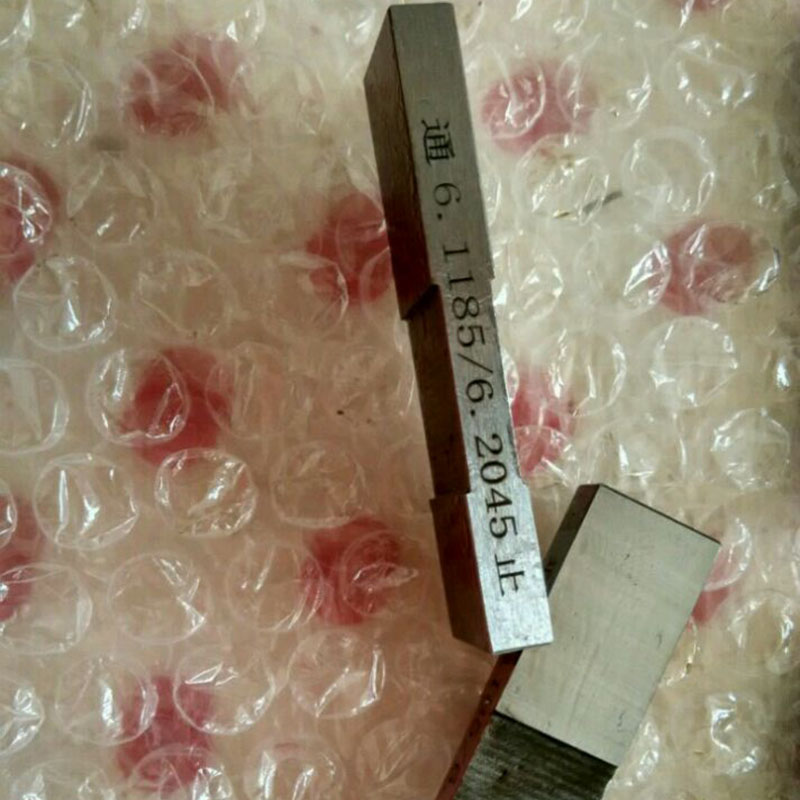
The significance of Granite Small Tools in Artisanal Craftsmanship Granite, a natural stone known for its durability and aesthetic appeal, has been a staple in construction and artistic endeavors since ancient times. The process of shaping and sculpting this robust material requires specialized tools, particularly the granite small tools. These diminutive yet powerful instruments play an instrumental role in transforming raw granite into intricate designs, sculptures, or functional objects. Small granite tools, often overlooked in the grand scheme of construction, are the backbone of precision work. They include chisels, hammers, rasps, grinders, and diamond-tipped drills, each with its unique purpose and application. A chisel, for instance, is used to cut and shape the granite, while a hammer provides the force needed to drive the chisel through the stone. Rasps are employed for smoothing out rough surfaces, and grinders assist in refining edges and corners. The diamond-tipped drills, on the other hand, are essential for creating precise holes in the hard granite surface. The art of working with granite is not just about brute strength; it demands finesse, patience, and an understanding of the stone's properties. The granite small tools facilitate this delicate balance, allowing artisans to bring their creative visions to life. The skilled hands that wield these tools know how to apply just the right pressure, angle, and speed to avoid cracking or damaging the stone. It's a dance of strength and subtlety, where the tool becomes an extension of the artisan's hand It's a dance of strength and subtlety, where the tool becomes an extension of the artisan's hand It's a dance of strength and subtlety, where the tool becomes an extension of the artisan's hand It's a dance of strength and subtlety, where the tool becomes an extension of the artisan's hand granite small tools . In addition to their functional importance, granite small tools hold cultural and historical significance. They symbolize the human quest for beauty and permanence, echoing the craftsmanship of our ancestors who built towering monuments and intricate sculptures using similar tools. Today, these tools are used not only in traditional stonemasonry but also in modern architecture, interior design, and even jewelry making, showcasing their versatility. Moreover, the use of granite small tools promotes sustainability. Unlike power tools, they operate manually, consuming no electricity or producing harmful emissions. This eco-friendly approach aligns with the growing demand for environmentally responsible practices in various industries. In conclusion, granite small tools are more than just implements; they are vessels of creativity, history, and sustainability. They embody the human spirit of innovation and the dedication to craft, making them indispensable in the world of granite artistry. Whether shaping a grand statue or carving a tiny piece of jewelry, these tools continue to shape our landscapes, both physical and cultural, leaving an indelible mark of human ingenuity.
about
framed led mirror
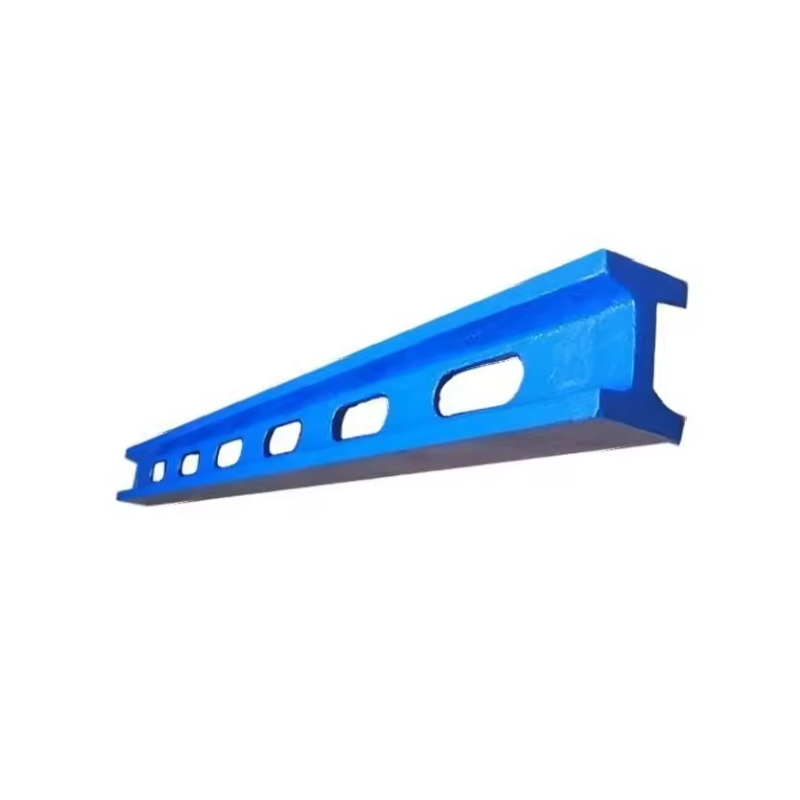
The Precision Engineer's Spirit Level A Cornerstone of Accuracy In the world of engineering and construction, precision is paramount. Every measurement, every angle, and every line must be exact to ensure the success and safety of a project. Among the many tools that engineers and builders rely upon, the spirit level stands out as a fundamental instrument that embodies the essence of precision engineering. The spirit level, often referred to as a bubble level, consists of a sealed glass tube containing a liquid and an air bubble. The tube is slightly curved, allowing the bubble to move freely. When the spirit level is placed on a surface, the bubble naturally seeks the highest point due to gravity. This principle enables users to easily determine whether the surface is horizontal (level) or vertical (plumb). The simplicity of its design belies its crucial role in a vast array of applications—from framing a house to installing shelves and cabinets. Historical Evolution The use of levels can be traced back to ancient civilizations. The Egyptians utilized simple water levels as early as 2500 BCE for constructing monumental structures like the Pyramids. The Romans also made significant advancements, employing sophisticated leveling tools that allowed them to construct aqueducts and buildings with remarkable precision. However, the spirit level as we know it evolved in the 16th century when scientists and craftsmen began to refine the design, incorporating features that improved accuracy and ease of use. Over time, the spirit level underwent innovations in material and technology, ultimately becoming a vital tool in modern engineering. Importance of Accuracy In engineering, accuracy cannot be overrated. A single miscalculation can lead to catastrophic failures, from structural collapses to equipment malfunctions. The spirit level assists engineers in ensuring that structures are built correctly from the ground up. For instance, when constructing a building, each floor must be perfectly level to support the weight of the structure above. Additionally, proper leveling is essential for installations like plumbing, as it ensures that water flows correctly without any obstructions. Types of Spirit Levels precision engineers spirit level Modern spirit levels are available in various forms to suit different tasks. Traditional bubble levels are commonly used in carpentry and general construction. Digital levels, which feature electronic displays, provide precise measurements and often include additional functionalities such as angle measurements. Laser levels project a beam of light that can create a perfectly straight reference line over long distances, making them invaluable in large-scale projects. Each type of spirit level has its unique advantages and is chosen based on the specific requirements of a job. The Precision Engineer's Role Precision engineers are tasked with the responsibility of maintaining high standards in measurement and manufacturing. Their work often involves intricate tasks where even the slightest deviation can lead to significant problems. The use of a spirit level is an essential part of their toolkit, empowering them to achieve the level of precision required for their projects. By employing spirit levels, they uphold the integrity of their work and ensure that their outcomes not only meet but exceed industry standards. Future Innovations As technology continues to advance, the spirit level is likely to see further innovations. The integration of smart technology, such as apps that connect to smartphone devices, may enhance the functionality of traditional levels. Advanced sensors could provide real-time feedback and alert users to discrepancies, increasing accuracy and efficiency on job sites. Moreover, as construction techniques evolve, new materials and designs for spirit levels may emerge, catering to specialized needs within various engineering sectors. Conclusion The spirit level, though a simple tool, is a vital instrument that embodies the spirit of precision engineering. From its historical roots to modern advancements, it remains an indispensable asset for engineers, builders, and craftsmen alike. In a world where accuracy is crucial, the spirit level symbolizes the commitment to excellence that defines the profession. As we look to the future, it is clear that this humble tool will continue to play a pivotal role in shaping the landscapes of our cities and infrastructure, ensuring that we build not just with strength, but with precision.
-

High quality industrial productsagement

High quality industrial products
View Details -

Meet the diverse needs of customers

Meet the diverse needs of customers
View Details -

Strict quality control

Strict quality control
View Details -

Top raw materials

Top raw materials
View Details -

Trusted supplier

Trusted supplier
View Details
Our application

news and information

Using a Spirit Level for Accurate Measurements in Construction and DIY Projects
Understanding the Spirit Level A Essential Tool in Precision Measurement The spirit level, an instru
Versatile Wood Connection Brackets for Enhanced Structural Support and Easy Assembly Solutions
The Versatility of Wood Connector Brackets in DIY Projects Wood connector brackets are essential com
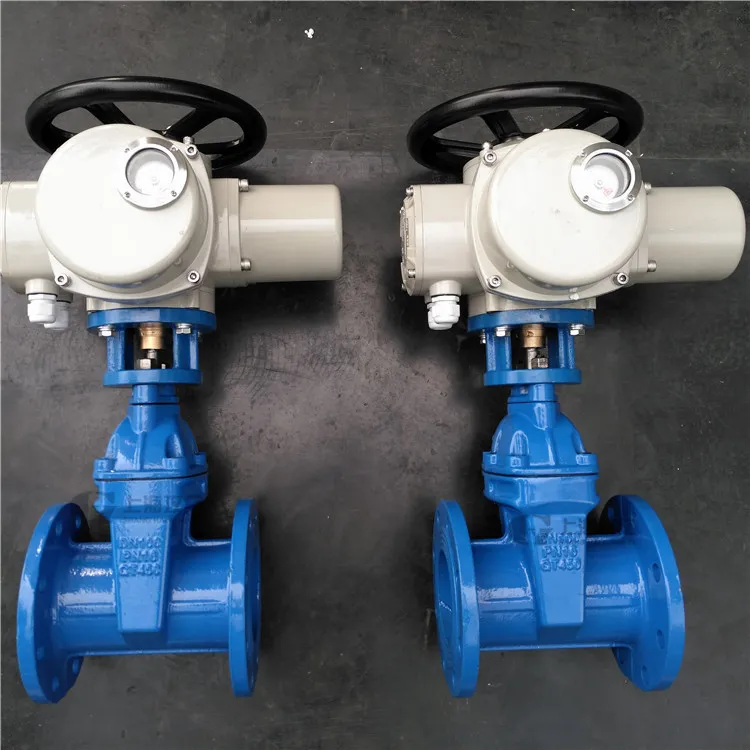
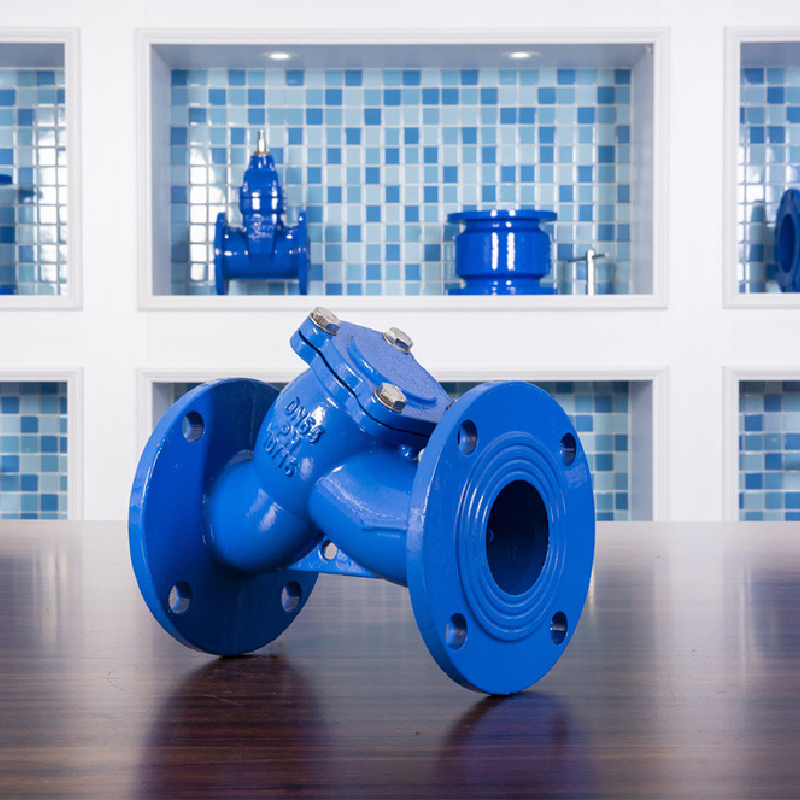
Y Type Water Strainer for Efficient Filtration Solutions and Flow Management
Understanding Y-Type Water Strainers A Comprehensive Overview Water strainers are vital components i
 English